Coffee Quality Monitoring Sensor System
IoT-enabled distance sensor system for monitoring coffee drying bed quality using ESP32, ESPHome, and Home Assistant
Coffee Quality Monitoring Sensor System
Overview
IoT-enabled distance sensor system for monitoring coffee drying bed quality using ESP32, ESPHome, and Home Assistant
Project Overview
The Coffee Quality Monitoring Sensor System is an IoT solution designed to ensure consistent quality control during coffee drying processes. The system continuously monitors the distance from the coffee bed surface to a fixed point above it, ensuring the bed remains within established quality parameters set by the quality department.
Problem Statement
During coffee drying, maintaining consistent bed height and distribution is critical for uniform drying and quality assurance. Manual monitoring is labor-intensive and prone to human error. This project automates the process using modern IoT technologies.
Solution
A distributed sensor network using:
- ESP32 microcontrollers for processing
- Distance sensors for continuous monitoring
- ESPHome firmware for Over-The-Air (OTA) updates
- Home Assistant as the central IoT hub
- Modular submodules for monitoring multiple drying beds
Key Features
- Wireless Distance Monitoring
- Real-time distance measurement to coffee bed surface
- Automatic alerting when limits are exceeded
- Multiple sensors can be networked together
- Over-The-Air Updates
- No need to physically unmount sensors
- ESPHome firmware enables remote updates
- Reduces maintenance downtime
- Home Assistant Integration
- Centralized monitoring dashboard
- Historical data tracking
- Automated alerting and notifications
- Multi-bed coordination
- Modular Architecture
- Scalable to monitor multiple drying beds
- Each sensor operates independently
- Easy to add new monitoring points
Development Stages
Stage 1: Prototyping
- Initial prototype built on protoboard
- Tested with ESP32 and distance sensing components
- Verified sensor accuracy and reliability
- Software development with ESPHome
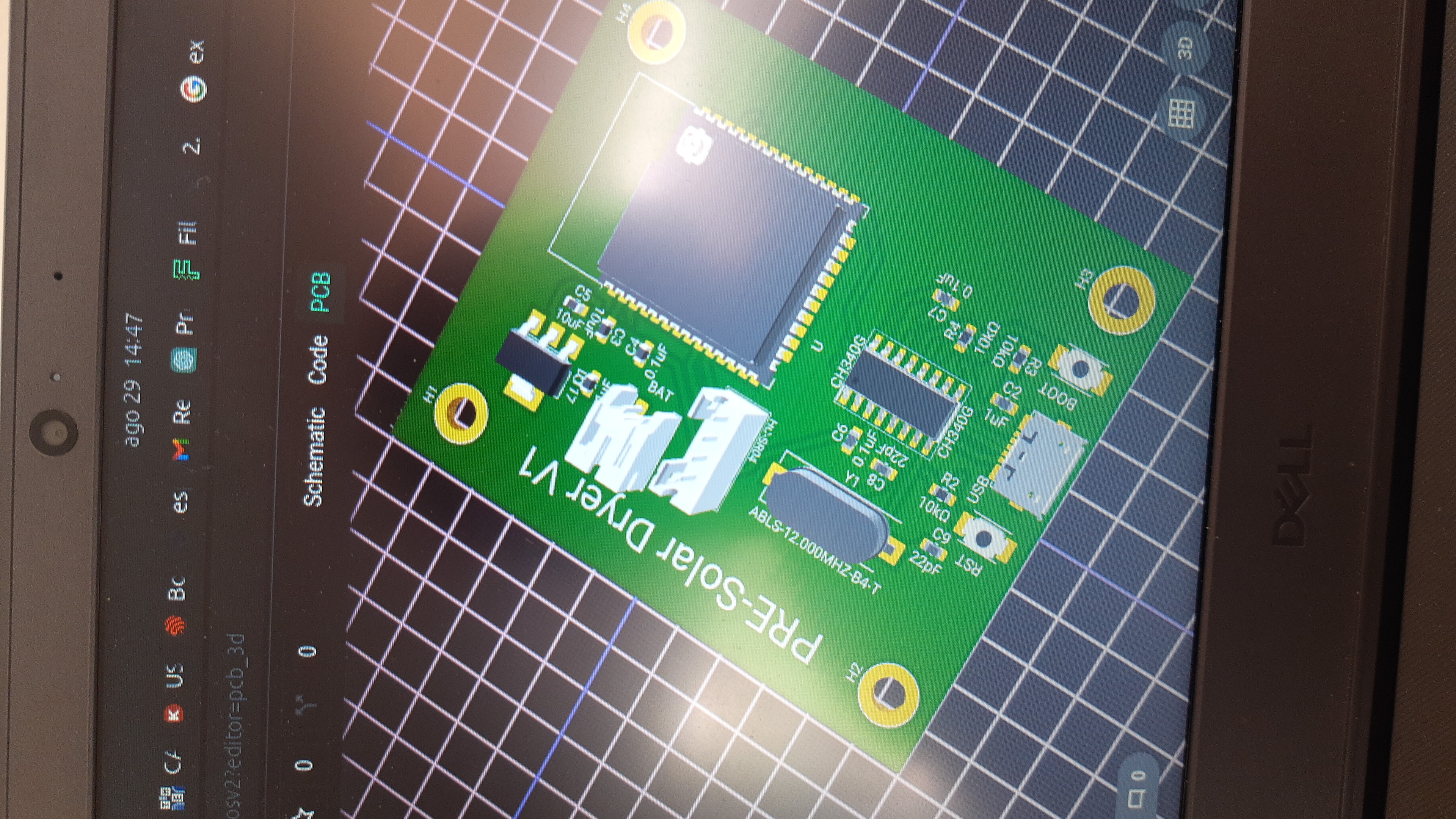
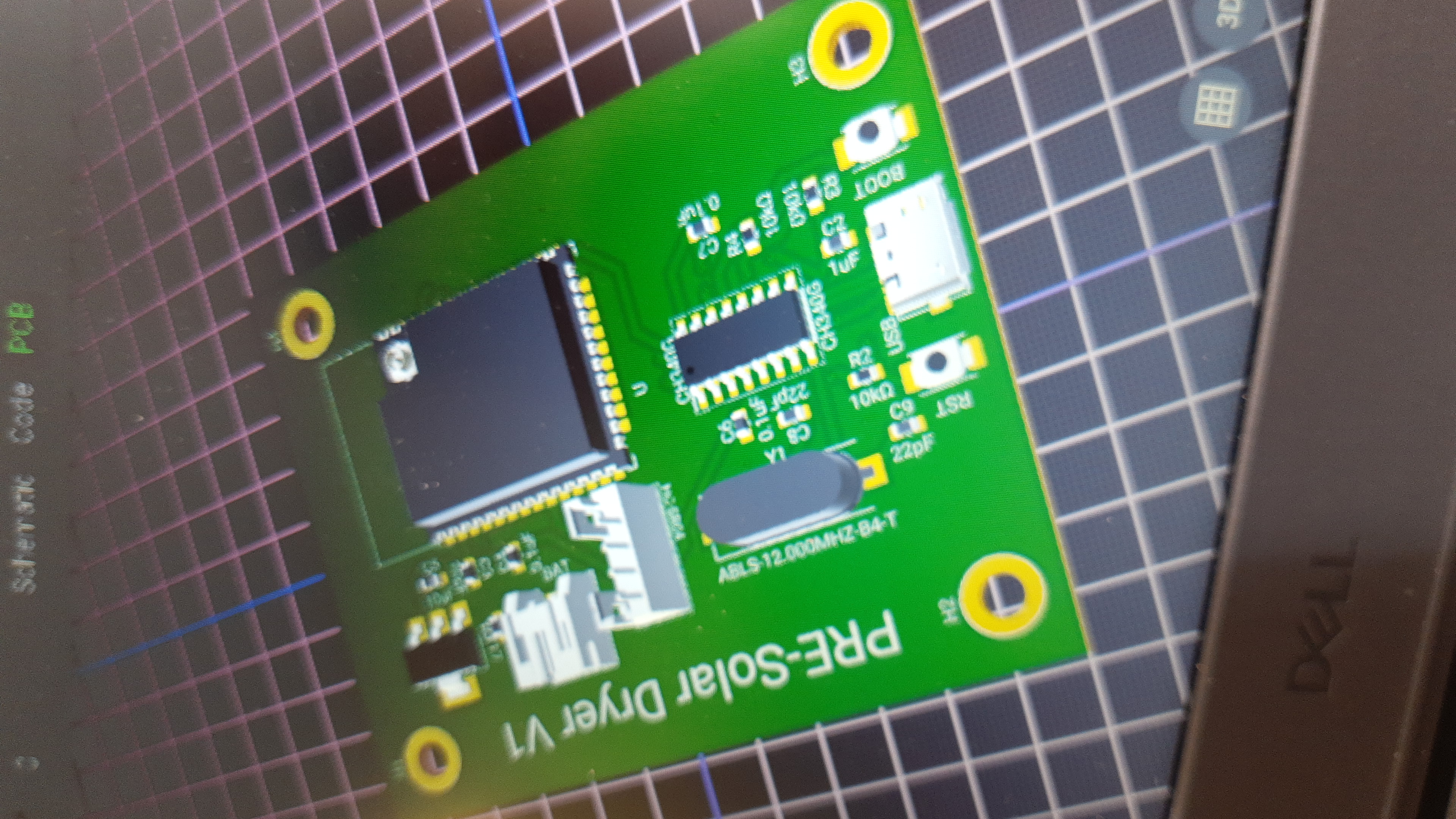
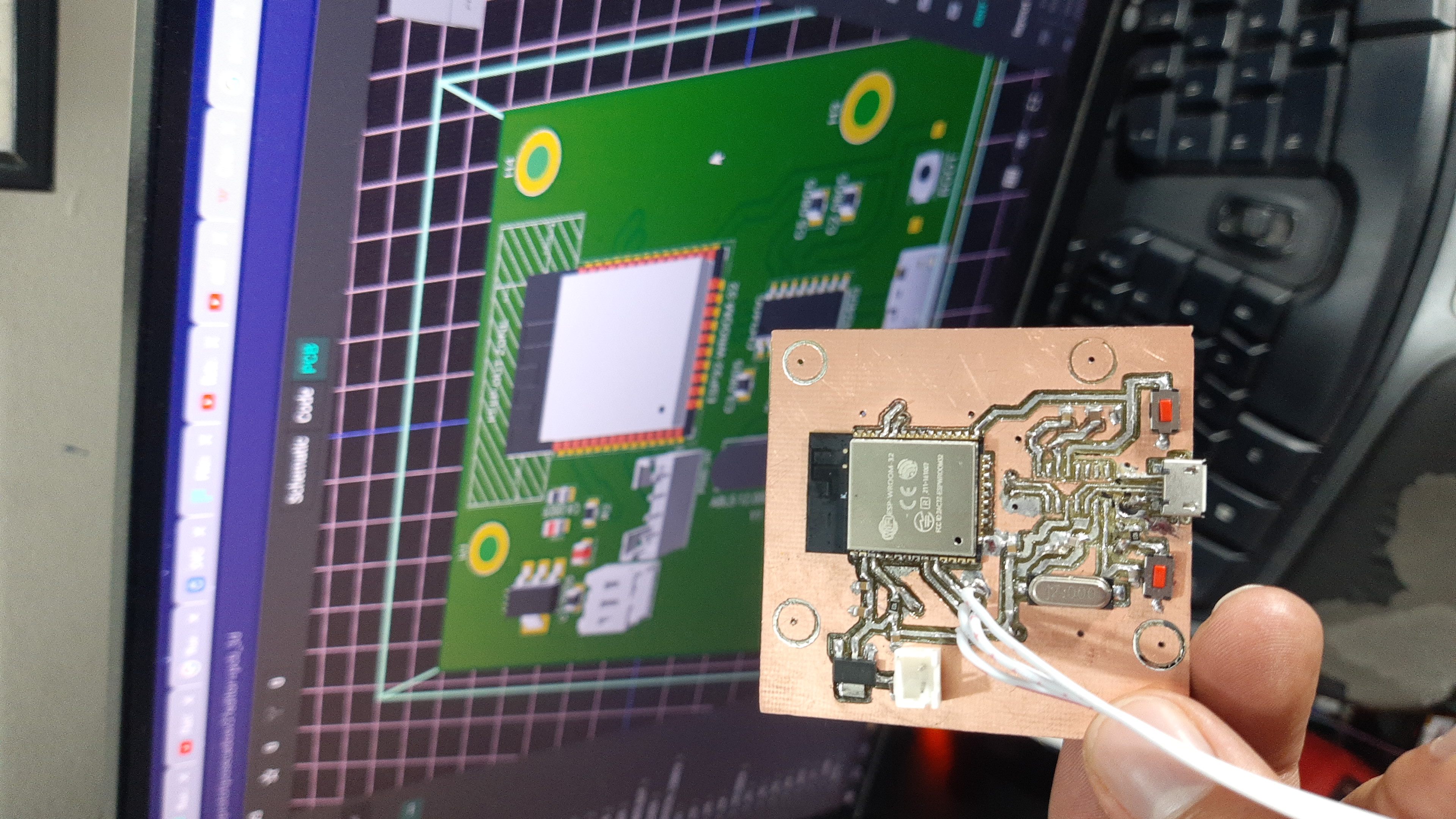
Stage 2: PCB Design
- Designed custom PCB using Flux AI
- Optimized for manufacturing and assembly
- Reduced form factor for easier installation
- Improved power efficiency and reliability
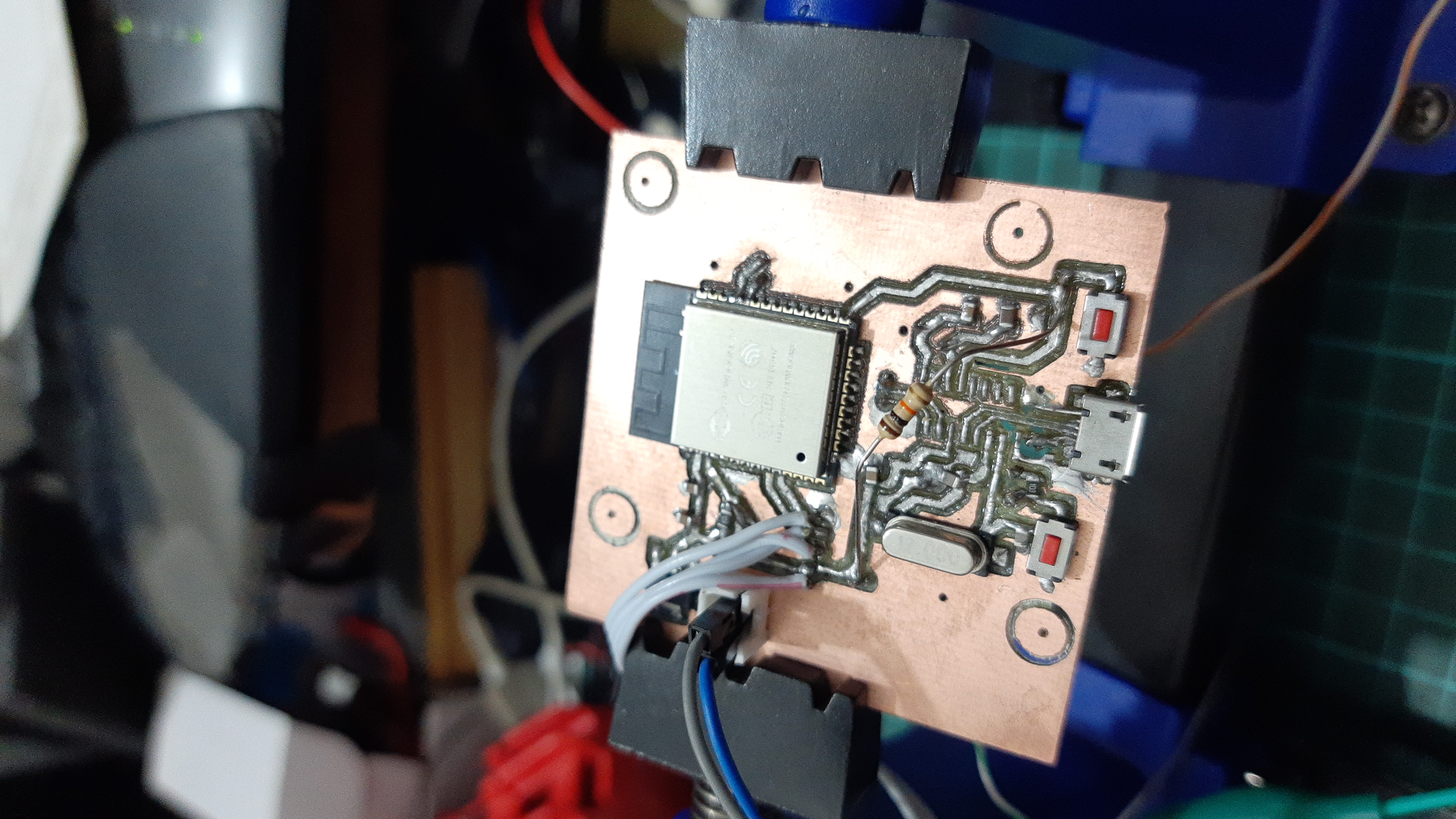
Stage 3: Manufacturing
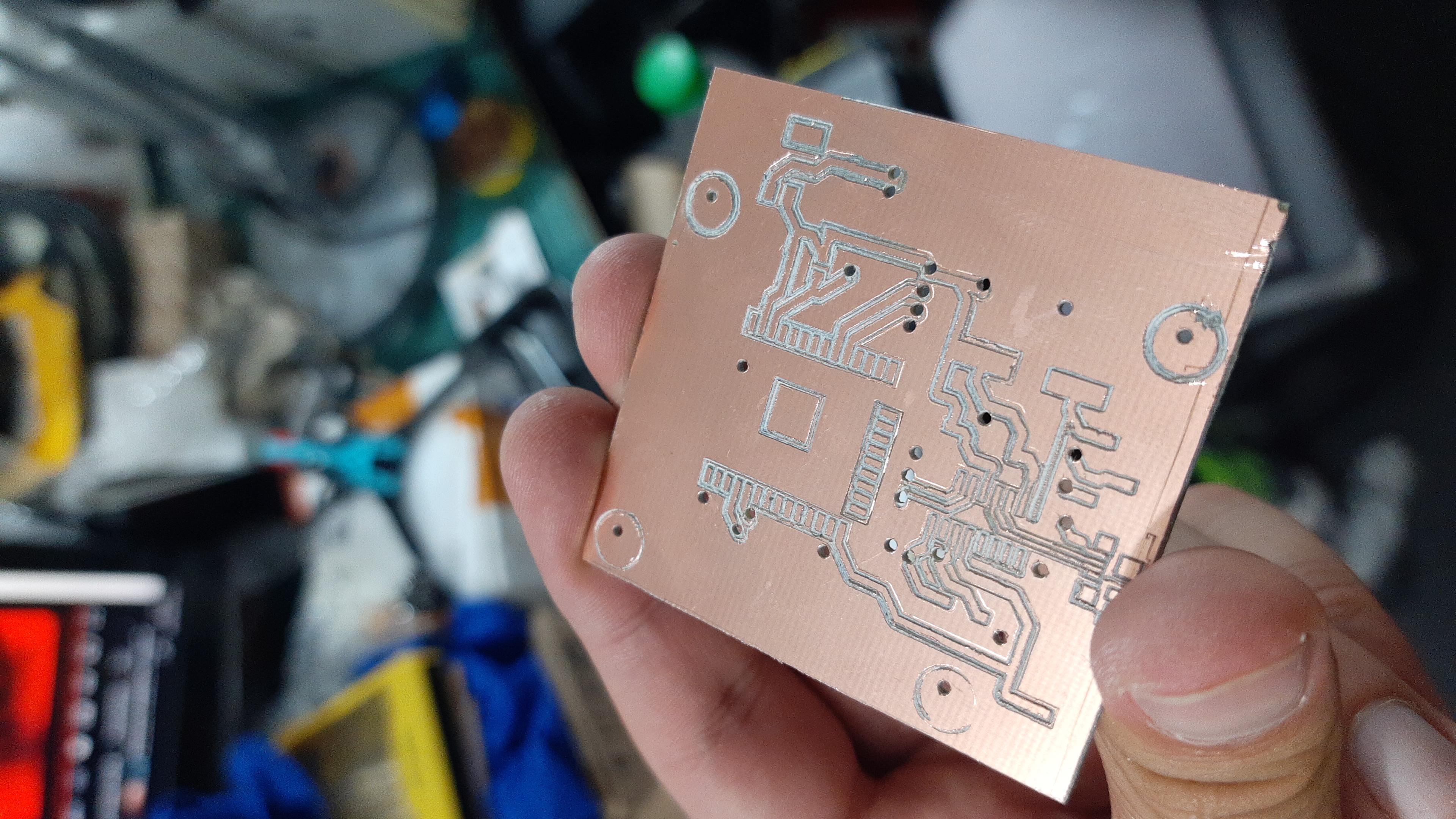
- PCB prototype manufacturing underway
- Assembly and testing of manufactured units
- Integration with Home Assistant environment
- Field deployment preparation
Technical Specifications
| Component | Details |
|---|---|
| Microcontroller | ESP32 (WiFi + Bluetooth) |
| Firmware | ESPHome |
| Distance Sensor | Analog/Digital distance measurement |
| Power | 5V DC (USB or battery) |
| Connectivity | WiFi (2.4GHz) |
| Update Method | Over-The-Air (OTA) |
| Data Hub | Home Assistant |
| Operating Environment | Humid, warm coffee drying facility |
Hardware Architecture
┌─────────────────────────────────────┐
│   Home Assistant (Central Hub)       │
│   - Dashboard & Monitoring           │
│   - Data Storage & Analytics         │
│   - Alert Management                 │
└──────────────┬──────────────────────┘
               │ WiFi Network
     ┌─────────┼─────────┬─────────┐
     │         │         │         │
  ┌──▼──┐  ┌──▼──┐  ┌──▼──┐  ┌──▼──┐
  │Bed 1│  │Bed 2│  │Bed 3│  │Bed N│
  │Sens.│  │Sens.│  │Sens.│  │Sens.│
  └─────┘  └─────┘  └─────┘  └─────┘
Software Architecture
- ESPHome YAML Configuration: Defines sensor behavior, WiFi settings, and measurement intervals
- Home Assistant Integration: Receives sensor data, stores it, and provides visualization
- Automation Rules: Alerts when measurements exceed quality thresholds
- Historical Analytics: Tracks drying patterns and quality metrics over time
Quality Control Benefits
- Consistency: Ensures uniform coffee bed height during drying
- Traceability: Complete record of drying conditions for quality assurance
- Automation: Reduces manual monitoring and human error
- Scalability: Monitor multiple beds from a single dashboard
- Real-time Alerts: Immediate notification of quality threshold violations
- Preventive Maintenance: Early detection of bed settling or anomalies
Installation & Deployment
- Mount distance sensor above coffee drying bed at fixed location
- Position to measure perpendicular distance to bed surface
- Connect ESP32 with protoboard or PCB prototype
- Configure ESPHome with WiFi credentials and Home Assistant connection
- Deploy to Home Assistant for centralized monitoring
- Set quality thresholds based on department requirements
- Monitor through Home Assistant dashboard
OTA Update Process
With ESPHome, updates are managed seamlessly:
- Update firmware file on development machine
- Connect to Home Assistant ESPHome web interface
- Click “Update” - no physical access to sensors required
- Firmware updates remotely without unmounting sensor
Future Enhancements
- Temperature and humidity monitoring
- Machine learning for predictive quality assessment
- Integration with coffee processing equipment
- Mobile app notifications
- Historical data export for compliance
- Multi-facility monitoring dashboard
Components Used
- ESP32 Development Board: Main microcontroller
- Distance Sensor: Analog or digital distance measurement
- Power Supply: 5V regulated power
- PCB: Custom designed circuit board
- Connectors: Weatherproof connectors for sensors
- Enclosure: Protection from humid environment
Resources
- Home Assistant Documentation: https://www.home-assistant.io/
- ESPHome: https://esphome.io/
- ESP32 Datasheet: Espressif Systems
- Flux AI PCB Design: https://www.flux.ai/
Early prototype development phase - initial sensor integration
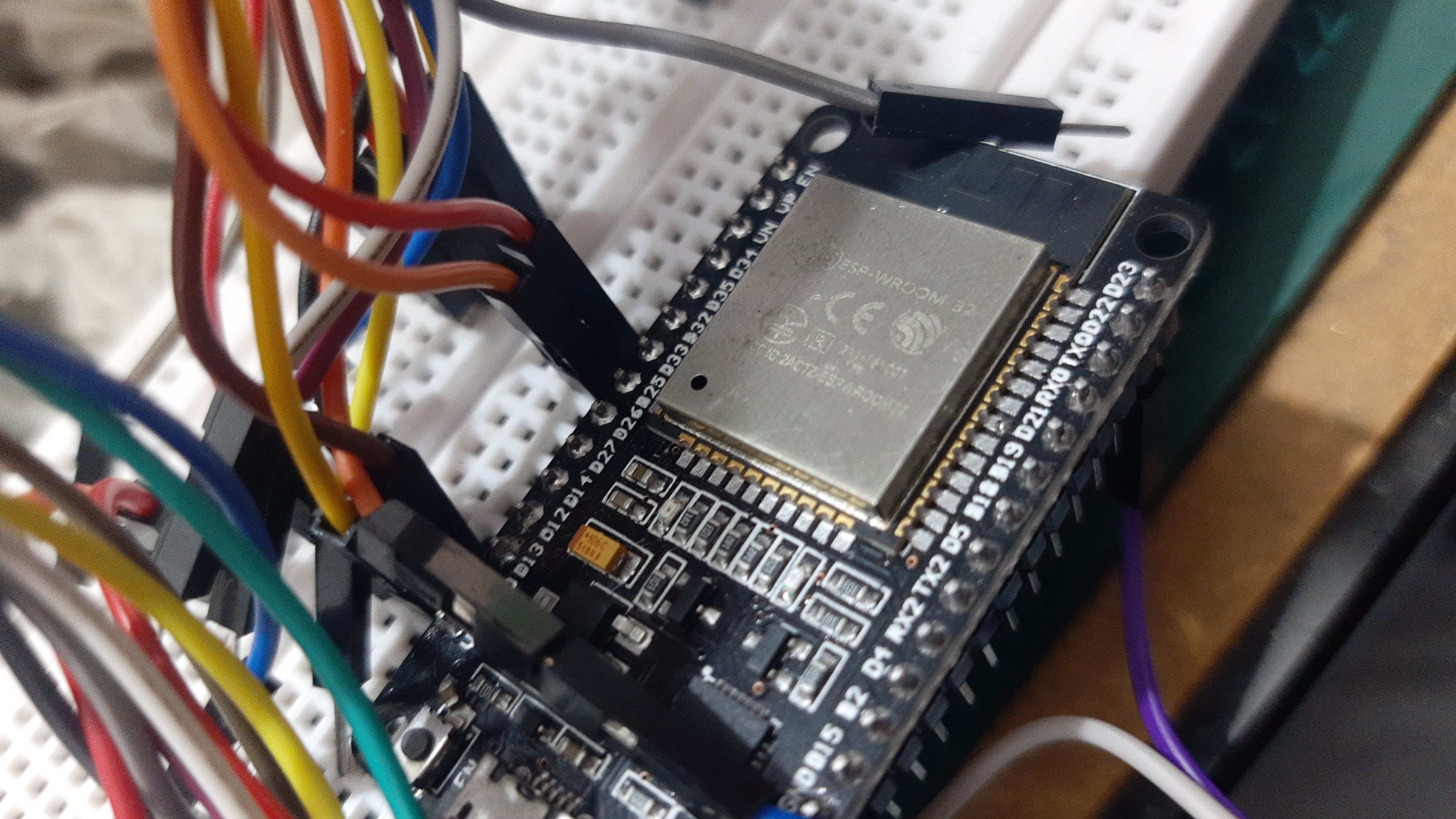
Protoboard assembly with ESP32 and distance sensor components
Testing protoboard configuration and sensor calibration
PCB design validation and layout verification

Manufactured PCB prototype with soldered components
Final assembly and integration testing in laboratory environment
Operational installation mounted above coffee drying bed